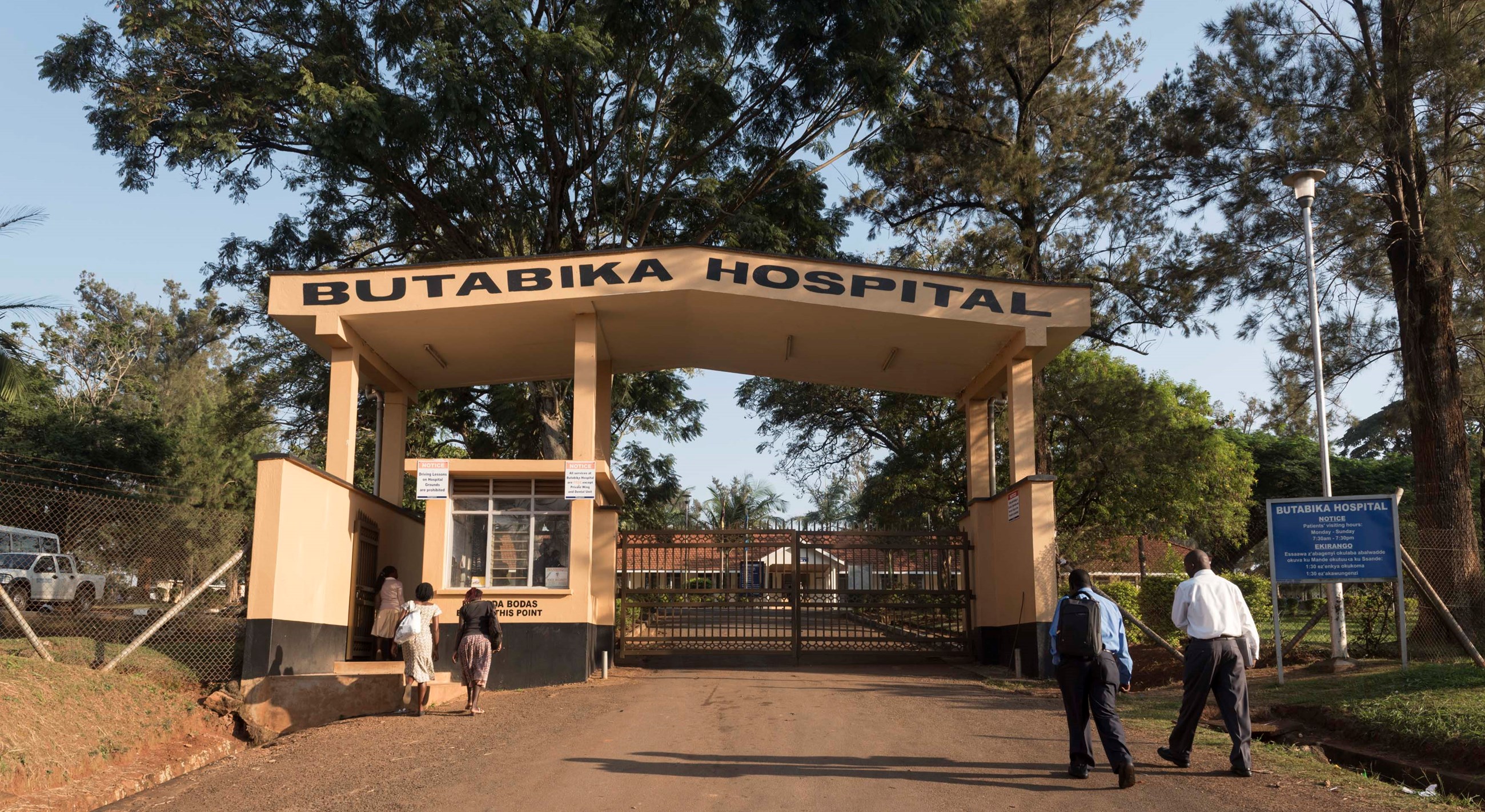
National Psychiatric Referral Hospital, Butabika, has sounded the alarm over a deepening mental health crisis, reporting a 70% increase in cases since 2021.
A significant proportion of those affected are young people, with children accounting for 22.9% of all cases, the majority of them adolescents.
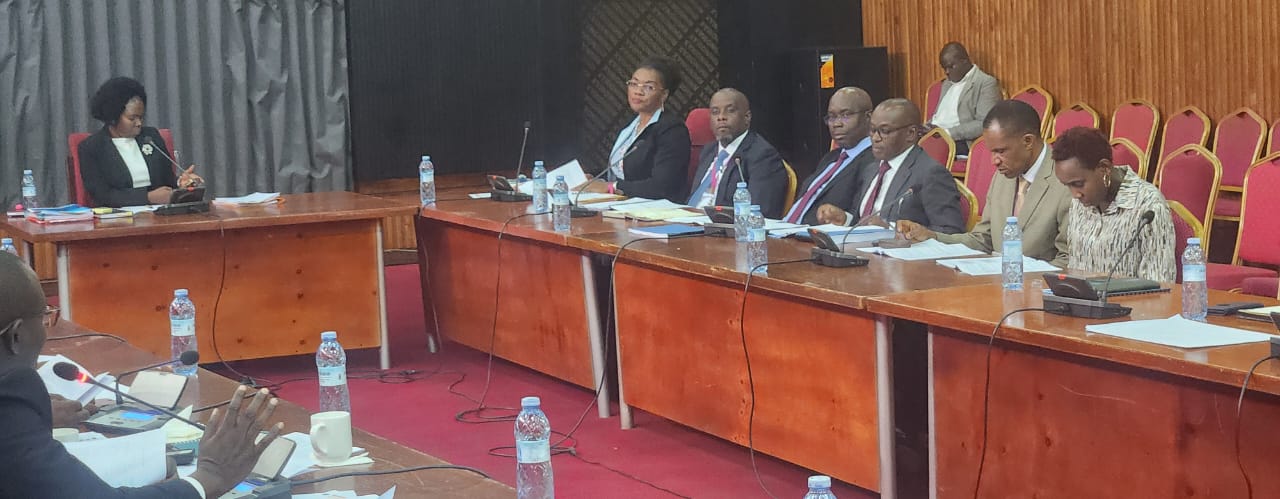
“We are facing a ticking time bomb,” said Dr Juliet Nakku, executive director of Butabika Hospital, while appearing before Parliament’s Public Accounts Committee.
She attributed the surge to a combination of financial stress, unemployment, family breakdown, academic pressure, and substance abuse.
The hospital is struggling to cope with the growing patient load. Designed with a capacity of 550 beds, the facility is currently accommodating between 1,200 and 1,400 patients, placing immense pressure on infrastructure and staff.
Lawmakers raised concerns about the impact of overcrowding on patient care and staff welfare, warning that the situation risks compromising treatment outcomes while accelerating burnout among health workers.
In response to the crisis, Butabika Hospital is collaborating with the Ministry of Education and Sports to develop guidelines aimed at enabling schools to provide basic mental health care services and early intervention support.
Dr Nakku urged immediate action, emphasizing that delays could worsen the already strained system.
During the session, legislators also questioned officials about cases linked to beliefs in witchcraft and called for the elevation of Butabika Hospital to an institute, a move they argued could strengthen research capacity, funding, and specialized care.